Is Sar Pass Trek Difficult? Complete Guide
Everything You Need to Know Before Taking On One of Himachal’s Most Scenic Adventures
Trek Overview
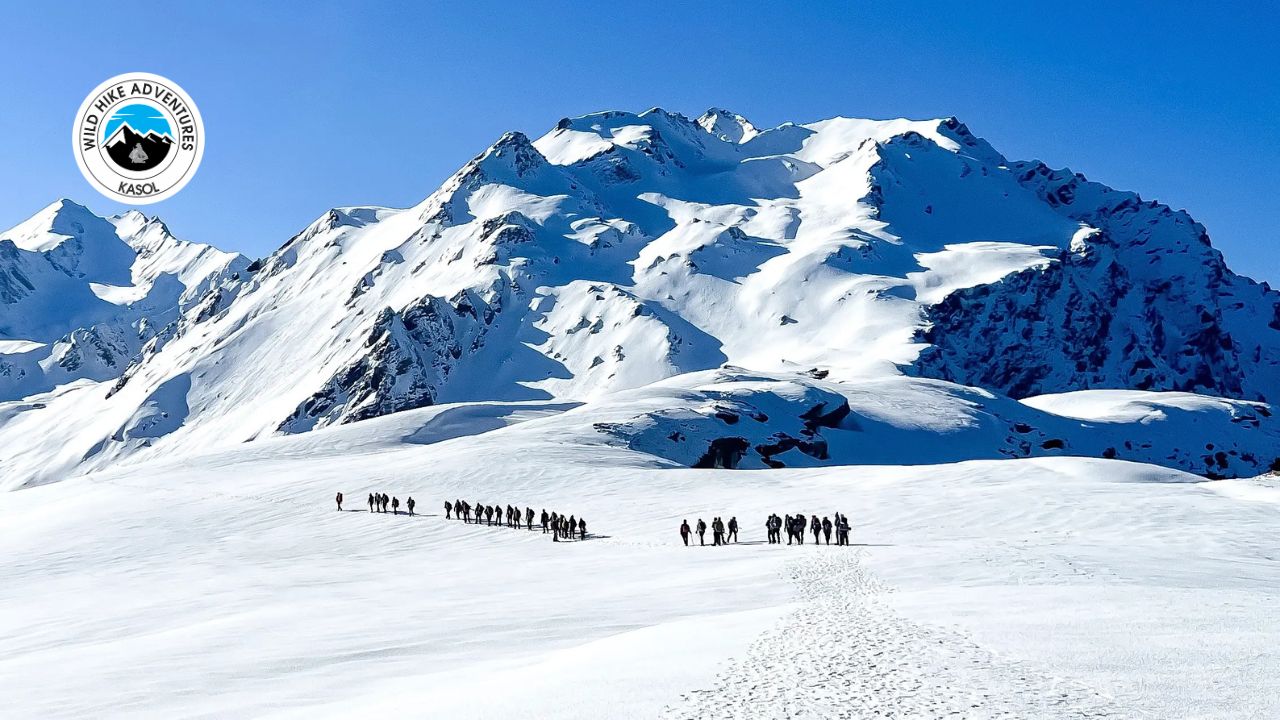
Nestled in the heart of Himachal Pradesh, the Sar Pass Trek stands as one of the most rewarding and spectacular trekking experiences in the Parvati Valley. This moderate-to-challenging trek connects the picturesque villages of Kasol and Kheerganga, offering trekkers an unforgettable journey through dense forests, alpine meadows, and majestic mountain landscapes.
The trek takes its name from the Sar Pass (3,460 meters), which serves as the highest point and the crown jewel of this adventure. From crystal-clear mountain streams to serene camping sites surrounded by towering peaks, the Sar Pass Trek is a testament to the raw beauty of the Himalayas.
Quick Fact: The Sar Pass Trek is one of the most frequented non-technical treks in Himachal Pradesh, attracting adventure enthusiasts from across India and abroad.
Ia Sar Pass Trek Difficult? The honest Answer
The Sar Pass Trek sits in the moderate-to-challenging category. It’s not a walk in the park, but it’s also not exclusively for experienced mountaineers. The difficulty lies not in technical climbing but in the combination of altitude, distance, and terrain variation.
Difficulty Rating: Moderate-Hard (65% on difficulty scale)
Who Can Do This Trek?
The Sar Pass Trek is suitable for:
• Beginners with fitness: If you have a reasonable fitness level and have done 1–2 multi-day treks before
• Intermediate trekkers: Those with 2–3 years of trekking experience
• Experienced trekkers: Anyone looking for a less technical but still rewarding trek
• Fitness enthusiasts: People who exercise regularly and can handle 5–6 hours of daily walking
Who Should Avoid This Trek?
❌ Complete beginners with no trekking experience
❌ People with acute altitude sickness susceptibility
❌ Those unable to walk 5–6 hours continuously
❌ People with serious knee, joint, or heart conditions
❌ Individuals afraid of heights (some steep sections exist)
Trek Details And Specifications
- Location: Kasol, Parvati Valley, Himachal Pradesh
- Starting Point: Kasol
- Ending Point: Kasol
- Max Elevation: 4,220 m / 13,800 ft
- Total Distance: 45–50 km
- Difficulty: Easy to Moderate
- Duration: 5 Days / 4 Nights
- Best Time: April to July
- Temperature: Day up to 22°C | Night down to -5°C
Elevation Gain And Cumulative Ascent
The trek involves a cumulative ascent of approximately 1,800–2,000 meters spread across four days. The most challenging day is Day 2, where you’ll ascend about 700–800 meters to reach Sar Pass. This vertical gain, combined with the altitude, makes it the toughest day of the trek.
Sar Pass Trek Short Itinerary
Day 1: Kasol → Grahan Village
Your journey begins from Kasol with a scenic trek through dense pine forests, wooden bridges, and beautiful mountain trails leading to the peaceful Grahan Village. Surrounded by traditional Himachali culture and stunning valley views, this campsite offers the perfect introduction to the Sar Pass adventure.
Day 2: Grahan → Min Thach Camp
On the second day, the trail becomes steeper as you move towards Min Thach Camp. The route passes through thick forests and open meadows with breathtaking views of snow-covered Himalayan peaks. The peaceful surroundings and fresh mountain air make this one of the most refreshing parts of the trek.
Day 3: Min Thach → Nagaru (Highest Camp)
Today’s trek takes you above the tree line towards Nagaru, the highest campsite of the Sar Pass Trek. As the altitude increases, the landscape transforms into snow-covered terrain with panoramic views of the Parvati Valley. The cold weather and magical sunset views make this campsite unforgettable.
Day 4: Nagaru → Sar Pass → Biskeri Camp
This is the most exciting and challenging day of the trek. Early in the morning, you will cross the famous Sar Pass, surrounded by spectacular snow fields and Himalayan landscapes. After enjoying the stunning summit views, the descent towards Biskeri Camp offers beautiful meadows and scenic camping spots.
Day 5: Biskeri → Kasol (Trek Ends)
The final day involves a gradual descent through forests and picturesque villages back to Kasol. As the trek comes to an end, you carry unforgettable memories of snowy mountains, peaceful campsites, and the adventurous journey through the heart of Himachal Pradesh.
What Makes The Sar Pass Trek Challenging?
1. Altitude And Oxygen Levels
The primary challenge of this trek is altitude. At 3,460 meters, the air contains significantly less oxygen than sea level. Many trekkers experience mild altitude sickness symptoms including headaches, shortness of breath, and fatigue. Proper acclimatization and gradual ascent help mitigate these effects.
Altitude Sickness Symptoms:
- Mild headache
- Slight nausea
- Fatigue
- Shortness of breath (even at rest)
- Sleep disturbances
Pro Tip: Most symptoms pass with rest, hydration, and time. Descend immediately if symptoms become severe.
2. Steep Ascents
Day 2, in particular, features a steep and sustained climb to Sar Pass. The combination of altitude and gradient makes this day the most exhausting. Trekkers need to maintain a steady pace and take frequent breaks. The steepness varies, but you’ll encounter sections with 30–45 degree slopes.
3. Daily Walking Distance
You’ll be walking 5–7 hours daily with a loaded backpack (10–15 kg). This requires good cardiovascular fitness and stamina. Proper training 4–6 weeks before the trek is essential. Many first-time trekkers underestimate the mental and physical toll of multi-day trekking.
4. Variable Weather Conditions
Weather in the Himalayas is unpredictable. Sudden rain, fog, and temperature drops are common. These conditions can make trails slippery and visibility poor, adding to the difficulty. At higher altitudes, you may experience all four seasons in a single day.
5. Mental Fortitude
Trek days can be mentally challenging. Fatigue, muscle soreness, and the altitude can test your mental strength. A positive mindset and determination are crucial. Many trekkers face mental blocks on Day 2 when the climb seems endless.
Pro Tip: Most people who fail to complete this trek do so due to lack of prior fitness training—not technical inability. The trek itself is non-technical; your fitness level is what matters most.
How To Prepare For The Sar Pass Trek
Physical Training (6–8 Weeks Before)
Cardiovascular Training
- Run, cycle, or swim 3–4 times per week for 30–45 minutes
- Gradually increase duration and intensity
- Include high-intensity interval training (HIIT) sessions
Strength Training
- Leg-focused exercises: squats, lunges, step-ups (2–3 times/week)
- Core strengthening: planks, crunches, leg raises
- Hip and glute workouts for stability
- Upper body training for balance and backpack handling
Practice Hikes
- Do 3–4 local hikes with notable elevation gain
- Increase distance and elevation gradually
- Practice on similar terrain if possible
- Hike with a loaded backpack for real-world simulation
Long Walks
- Walk 8–10 km on weekends carrying a 10–15 kg backpack
- Start with shorter distances and build up
- Maintain a steady pace
- Include hill or incline walks
Sample 8-Week Training Plan
Week 1–2: Base Building
- 3× cardio (30 min each)
- 2× strength training
- 2× practice hikes (5–8 km)
Week 3–4: Intensity Increase
- 4× cardio (40 min each)
- 2× strength training
- 2× practice hikes (8–12 km with elevation)
Week 5–6: Endurance Focus
- 3× cardio (45 min each)
- 2× strength training
- 2× practice hikes (10–15 km with backpack)
Week 7–8: Peak Preparation
- 2× cardio (30 min each)
- 1× strength training
- 2× long hikes (15–20 km with backpack)
- Include rest days for recovery
Gear And Equioment Checklist
Essential Trekking Gear
- Good quality trekking boots (broken in before the trek) — ₹3,000–8,000
- Warm layers (thermal inner wear, fleece jacket, windproof jacket)
- Trekking backpack (50–60 L) — ₹2,500–6,000
- Sleeping bag (rated for –5°C minimum) — ₹2,000–5,000
- Trekking poles (highly recommended for knee support) — ₹1,500–3,500
- Hat, gloves, and sun protection gear
- First aid kit and basic medications
- Adequate hydration system (minimum 2 liters)
Clothing Layers
- Base Layer: Thermal inner wear
- Mid Layer: Fleece or wool sweater
- Outer Layer: Waterproof jacket and pants
Additional Clothing
- Extra socks (3–4 pairs minimum)
- Quick-dry underwear
- Warm hat and sun cap
- Insulated gloves
Amenties Oveview On Trek
Water
- Available at most camps
- Quality varies — boiling recommended
- Carry purification tablets as backup
- Drink 3–4 liters daily to avoid dehydration
Food
Expect simple, repetitive meals typical of high-altitude treks.
- Breakfast: porridge, toast, tea/coffee
- Lunch: sandwiches or packed meals on the trail
- Dinner: dal, rice, vegetables, rotis
- Limited variety due to remote logistics
Electricity
- Rarely available during the trek
- Carry power banks (20,000+ mAh recommended)
- Some guesthouses in Kheerganga may have solar charging
- Phone charging is not guaranteed
Toilets
- Mostly pit toilets or camping toilets
- Pack a small shovel
- Bring toilet paper and hand sanitizer
- Use facilities away from water sources
Mobile Network
- Very limited signal throughout the route
- Do not rely on network for emergencies
- Inform family of trek plan beforehand
- Emergency satellite messengers are available for purchase
Pro Tips For Comfort
General Comfort
- Bring wet wipes and dry shampoo
- Extra socks + thermal wear
- Sleeping bag liner for more warmth & hygiene
- Good quality sleeping pad for comfort and insulation
- Earplugs for noisy camps
- Eye mask to block early morning light
Hygiene
- Use biodegradable soap to protect the environment
- Wash hands before eating
- Brush teeth using bottled/boiled water
- Use hand sanitizer frequently
Foot Care
- Prevent blisters early
- Change socks if wet
- Air your feet during breaks
- Carry blister treatment supplies
- Trekking poles relieve foot & knee stress
Sleep Quality
- Sleeping bag rated for trek temperatures
- Wear thermals to sleep
- Use a sleeping pad for insulation
- Earplugs to block noise
- Eye mask for bright mornings
FAQs
1. Do I need a guide for the Sar Pass Trek?
While experienced trekkers comfortable with navigation can do it independently, hiring a local guide or joining a trekking group is highly recommended. The trail can become obscured by snow or fog near the pass, and having someone who knows the terrain and weather patterns significantly increases safety.
2. Is there mobile network connectivity on the trek?
Connectivity is extremely unreliable.
Kasol: Good 4G/5G (Airtel/Jio).
Grahan: Very spotty; you might get a signal in specific “calling points,” but don’t count on data.
Sar Pass & Trail: Almost zero connectivity.
Kheerganga: Occasionally a weak BSNL or Jio signal, but it’s best to inform your family that you will be offline for 3–4 days.
3. What kind of shoes are best for Sar Pass?
You need high-ankle trekking boots with a deep “lug” sole (good grip). Since you will likely encounter snow or muddy patches, ensure they are water-resistant. Avoid sneakers or running shoes, as they lack the ankle support and traction needed for the steep descent from the pass.
4. Can I do this trek if I have never trekked before?
Yes, but with a caveat. You shouldn’t make Sar Pass your very first time walking long distances. If you are physically fit and have spent time hiking local trails or smaller hills, you can handle it. If you lead a sedentary lifestyle, you must commit to the 8-week training plan mentioned in the guide to avoid injury or altitude sickness.
5. How do I manage Acute Mountain Sickness (AMS)?
The best way to prevent AMS is to stay hydrated (3-4 liters of water a day) and climb at a steady, slow pace. Avoid alcohol and smoking during the trek. Some trekkers carry Diamox, but you should consult a doctor before using it. If you feel a persistent headache or nausea, the only “cure” is to stop ascending or move to a lower altitude.
Conclusion: Is Sar Pass Trek Difficult?
The Sar Pass Trek is one of Himachal’s most rewarding high-altitude adventures—equal parts challenging and breathtaking. While it demands solid fitness, mental strength, and proper preparation, it is not a technical climb and remains accessible to beginners with prior trekking experience. From dense pine forests and vibrant meadows to panoramic mountain views at Sar Pass, the journey is as enriching as the destination.
With the right training, gear, and mindset, this trek becomes an unforgettable experience rather than an overwhelming one. Respect the mountains, pace yourself, stay hydrated, and listen to your body. If you prepare well and trek responsibly, Sar Pass will reward you with memories, views, and a sense of accomplishment that lasts a lifetime.
Ready to take on one of Himachal’s most scenic treks? Lace up your boots—the mountains are calling.