How To Reach Bun Buni Trek from Delhi Complete Guide
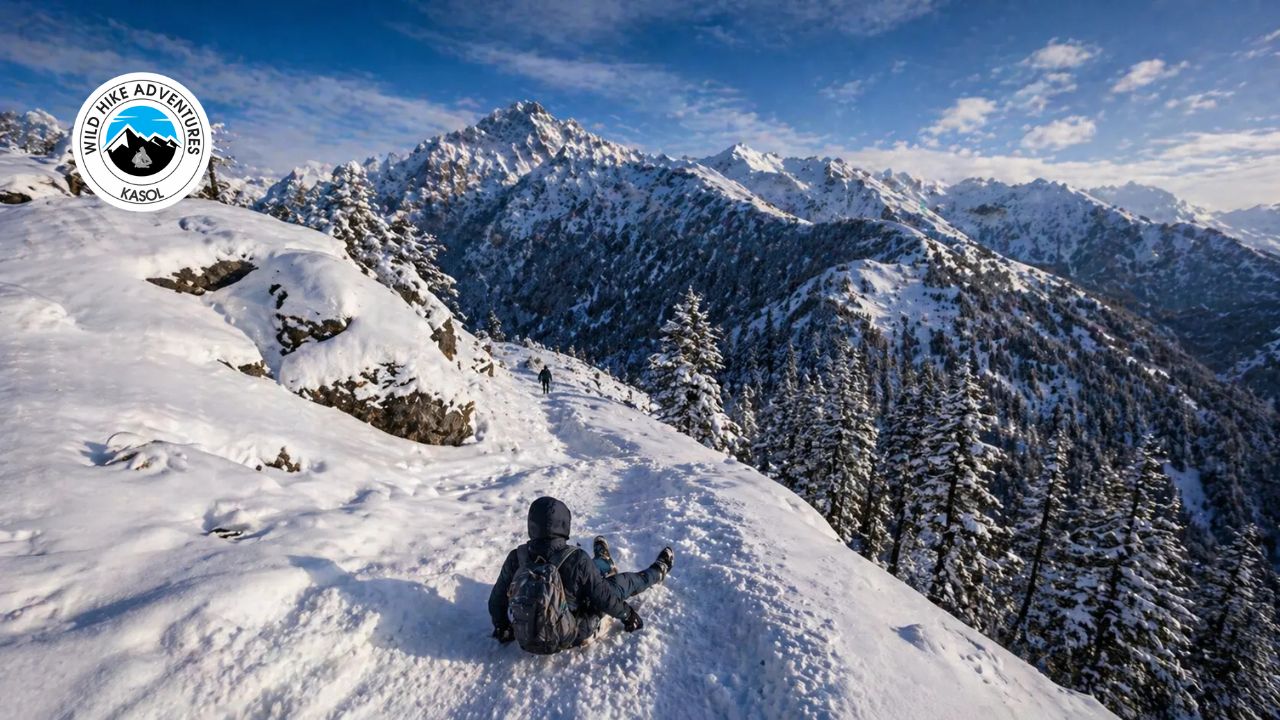
Nestled in the picturesque hills of Himachal Pradesh, the Bun Buni Trek is an absolute gem for adventure seekers and nature lovers. This moderate-level trek takes you through pristine pine forests, quaint Himalayan villages, and breathtaking vistas that will leave you spellbound. Whether you’re a seasoned trekker or embarking on your first mountain adventure, Bun Buni offers an unforgettable experience.
Bun Buni Trek Overview
The Bun Buni Trek is an 18–22 km journey that typically takes 3–4 days to complete. With a moderate difficulty level, it’s suitable for all fitness levels. The highest altitude you’ll reach is 2,660 meters (about 8,727 feet). The best season to trek is from May to October, though the trek can be attempted year-round with caution. This beginner-friendly trek requires good stamina but is perfect for first-time trekkers.
Why choose Bun Buni? This trek is perfect for those seeking an authentic Himalayan experience without extreme technical difficulty. You’ll encounter local communities, pristine alpine meadows, dense forest trails, and stunning panoramic views. The trek is less crowded than popular alternatives, making it ideal for a peaceful, immersive mountain experience.
How to Reach Bun Buni Trek from Delhi
There are three main ways to reach the Bun Buni Trek from Delhi, each with its own advantages.
By Air and Road (Recommended)
Total travel time is approximately 10–12 hours. This is the most convenient option for those who want to save time. First, take a flight from Delhi to Chandigarh Airport, which is the closest major airport. The flight takes approximately 1.5 hours and costs between ₹3,000–6,000. From Chandigarh, you’ll drive to Shimla, which takes about 2.5–3 hours and costs ₹1,500–2,500 for car rental.
Once you reach Shimla, you’ll need to travel to Kufri, which is about 30 kilometers away and takes 1–1.5 hours by car. Kufri serves as the base point for most Bun Buni trek expeditions. This route is ideal if you want to minimize travel time and arrive fresh for your trek.
By Road (Budget-Friendly)
If you’re looking to save money, the road option is perfect. The total travel time is 13–15 hours. You’ll travel 370 kilometers from Delhi to Shimla via NH5, which takes approximately 7–8 hours by car.
You have several transportation options: regular buses cost ₹400–600, AC coaches cost ₹800–1,200, or you can use your own vehicle. Several bus services operate on this route, including HRTC buses, private operators like Himachal Tourism, and luxury liners. Many night buses depart from Delhi at 7–8 PM and arrive in Shimla by early morning, allowing you to sleep during the journey.
From Shimla, take a local taxi or hire a vehicle to Kufri for ₹800–1,200. This option is economical and allows you to experience the scenic mountain roads at your own pace.
By Train and Road
This option combines the scenic UNESCO Toy Train with road travel. First, travel from Delhi to Kalka by taking the Shatabdi Express, which takes 4.5 hours. From Kalka, you have two choices: take the UNESCO Toy Train to Shimla, which is a scenic 5–6 hour journey, or drive directly, which takes 2–2.5 hours.
From Shimla, follow the same route to Kufri as mentioned in the previous options. This option is ideal for those who want to experience the historic toy train while enjoying the mountain scenery.
Pro Tip: The best route combination is to fly to Chandigarh from Delhi for ₹2,500–4,000, then hire a car for the 2.5-hour drive to Shimla. This saves time and provides flexibility. Alternatively, book a Delhi-to-Shimla overnight AC bus for an economical journey.
Complete Trek Itinerary
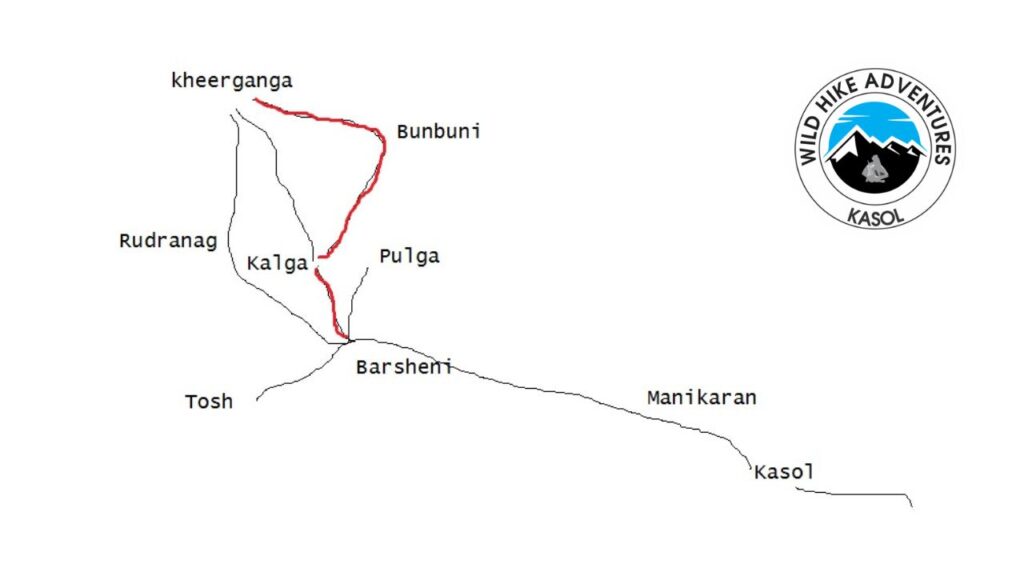
Day 01 Barshaini to Bun Buni PassTrek
Arrival in Barshaini
Arrive in the peaceful mountain village of Barshaini, the starting point of your trek in the scenic Parvati Valley. Surrounded by dramatic landscapes and the flowing Parvati River, this quiet Himalayan setting offers the perfect introduction to your journey.
Trek to Bun Buni Meadows (8 km | 6–7 hours)
Set out on a guided trek toward the serene Bun Buni Meadows. The trail follows a gradual ascent through forested paths and open mountain terrain, offering a balanced and rewarding walking experience.
Through Kalga Village
Pass through the charming village of Kalga, known for its traditional wooden homes and apple orchards. This is a great opportunity to observe the local way of life and experience the culture of the Himalayan region.
Forest Trail Ascent
Continue through dense pine and deodar forests, where the cool mountain air and quiet surroundings create a calm and immersive trekking environment. The trail remains steady and manageable, suitable for both beginners and experienced hikers.
Arrival at Bun Buni Meadows
By late afternoon, reach the open alpine landscape of Bun Buni. Surrounded by expansive views of the mountains, this peaceful meadow becomes your campsite for the night. Take time to relax, enjoy the natural setting, and unwind in the stillness of the Himalayas.
Day 2 Bun Buni Pass to Barshaini
Sunrise at Bun Buni Meadows
Begin your day early with a breathtaking Himalayan sunrise. As the first light spreads across the landscape, the surrounding peaks and valleys are bathed in soft golden hues, creating a calm and unforgettable start to the day.
Descent to Barshaini (8 km | 5–6 hours)
After a warm breakfast at camp, begin your guided descent back towards Barshaini. The return journey follows scenic trails through open meadows and forested paths, offering a relaxed and enjoyable walk downhill.
Through Kalga Village
Pass once again through the peaceful village of Kalga, where traditional wooden homes and apple orchards reflect the simplicity of mountain life. Take in the fresh air and quiet surroundings as you continue your journey.
Scenic Trail and Local Insights
As you descend, your guide will share insights into the region’s unique flora, fauna, and cultural traditions, adding depth to the experience and a deeper connection to the landscape.
Arrival in Barshaini
Arrive back in Barshaini by afternoon, marking the end of your trek. Leave with lasting memories of peaceful trails, alpine landscapes, and an authentic Himalayan experience.
Pre-Trek Preparation Guide
Physical Fitness Requirements
While Bun Buni is a moderate-level trek, proper preparation ensures you enjoy the experience fully and can complete it comfortably. Start your training at least 4–6 weeks before your trek date.
Running and jogging are essential for building cardiovascular endurance. Aim for 3–4 kilometer runs, three times per week. This strengthens your heart and lungs, which is crucial at higher altitudes.
Staircase training is one of the best ways to prepare for trekking. Climb stairs while carrying a 15–20 kilogram backpack for 30–45 minutes, 2–3 times per week. This replicates the uphill trekking movement and strengthens your leg muscles.
Weekend hiking on local hills helps build practical strength and endurance. It also gives you a chance to test your gear and understand how your body responds to physical exertion.
Cardio workouts such as swimming, cycling, or spinning classes improve your overall cardiovascular fitness. These activities are excellent cross-training options that build stamina without the impact of running.
Core-strengthening exercises are vital for stability on uneven terrain. Do planks, lunges, squats, and leg raises regularly. A strong core prevents injuries and helps maintain balance on steep and rocky paths.
Health and Medical Preparation
Before starting your trek, get a thorough medical checkup, especially if you have altitude sensitivity or respiratory issues. Consult your doctor about altitude sickness prevention. Some doctors recommend Diamox (acetazolamide) for trekkers heading to high altitudes.
Ensure your vaccinations are up-to-date, particularly tetanus. Carry a comprehensive first-aid kit with basic medications including pain relievers, antacids, anti-diarrheal medicines, and antihistamines. If you’re prone to motion sickness during the drive, carry appropriate medication to stay comfortable.
Acclimatization Tips
Spend Day 1 in Shimla at 2,200 meters elevation before heading to Kufri. This gives your body time to adjust to the altitude. Take it easy on Day 1 of trekking and avoid rushing the altitude gain—your body needs time to adapt.
Stay hydrated throughout the trek by drinking 3–4 liters of water daily. Proper hydration is crucial for preventing altitude sickness and maintaining energy levels. Avoid alcohol and heavy meals, especially at higher altitudes, as these can trigger nausea and discomfort.
Listen to your body throughout your trek. Rest days are part of the plan, and there’s no harm in taking extra rest if needed. Your safety and enjoyment are more important than reaching the destination quickly.
Altitude Sickness Warning
At 2,660 meters, altitude sickness is rare but possible. Symptoms include headache, dizziness, nausea, and shortness of breath. If symptoms persist for more than a few hours, descend 500 meters immediately and seek medical help from your trek guide.
Prevention is the best approach: take a gradual ascent, stay well-hydrated, avoid overexertion, and monitor your body closely throughout the trek.
Practical Trekking Information
Best Time to Trek
May and June are ideal months with spring blooms and pleasant weather. Daytime temperatures range from 15–20°C, making it comfortable for trekking. The landscape is vibrant with flowers and greenery.
July and August bring the monsoon season. While occasional rain can make trails muddy, the landscape becomes lush and incredibly green. This season is still trekking-friendly if you’re prepared with waterproof gear.
September and October offer crystal-clear skies and perfect photography conditions. Daytime temperatures range from 10–15°C. This is often considered the best time for trekking due to excellent visibility and comfortable weather.
November to April sees heavy snowfall, and trails are typically closed for general trekkers. Only experienced mountaineers should attempt trekking during these months.
Accommodation and Camping
In the base camps of Shimla and Kufri, you’ll find various accommodation options. Budget hotels cost ₹800–1,500 per night, mid-range hotels cost ₹1,500–3,000, and luxury hotels cost ₹3,000 and above.
During the trek, you’ll stay in bell tents or regular camping setups with professional guides and cooks who prepare your meals. Some operators also arrange stays in local homestays where you can experience authentic Himalayan hospitality and culture.
Pre-booking accommodations is highly recommended during peak seasons (May–June and September–October) to ensure you get your preferred lodging.
Food and Nutrition
On the trail, carry energy bars, dry fruits, nuts, energy gels, and chocolates for quick energy boosts. At camps, the kitchen staff prepares fresh meals including dal and rice, vegetables, roti, eggs, and pasta. The food is delicious and designed to give you the nutrition needed for trekking.
For hydration, use water purification tablets, electrolyte powders, or carry a water filter. Proper hydration is essential for maintaining energy and preventing altitude sickness.
If you have special dietary needs, inform the tour operators in advance. They can prepare vegetarian, vegan, or other special meals to meet your requirements.
Weather Conditions
Daytime temperatures typically range from 5–15°C, while nighttime temperatures can drop to –5 to 0°C at higher altitudes. Mountain weather is unpredictable and can change suddenly, so prepare for possible rain or temperature drops.
Strong winds are possible at higher elevations, especially on exposed ridges. Wind-resistant clothing is essential for comfort and safety. Always check the weather forecast before starting your trek and be prepared for sudden changes.
Safety Measures
Always trek with experienced guides from registered operators who know the terrain and can respond to emergencies. Carry comprehensive travel insurance that covers mountain activities to protect yourself financially in case of accidents or medical situations.
Inform someone at home about your trek schedule and check in with them regularly. Maintain proper hydration and nutrition throughout your trek to prevent exhaustion and illness. Never trek alone; groups of 4–6 people are ideal for safety and enjoyment.
Respect local rules and environmental guidelines. Leave no trace, don’t litter, and be respectful of local cultures and communities.
Emergency Contacts
In case of emergencies, contact the local police (Himachal Pradesh) at 112 or 100, call for an ambulance at 108, or contact your trek operator immediately for mountain rescue assistance. Save your tour operator’s emergency contact number and keep it easily accessible throughout your trek.
Ultimate Packing Checklist
Clothing and Footwear
Your footwear is critical for trekking success. Invest in water-resistant, ankle-supporting hiking boots that have been properly broken in before your trek.
For layering, pack a lightweight fleece jacket for insulation and a waterproof rain jacket to protect against sudden weather changes. These layers help you regulate your body temperature as conditions shift throughout the day.
Pack a wide-brimmed hat for sun protection and a beanie for cold nights. Bring lightweight gloves for daytime trekking and insulated gloves for nighttime warmth. Pack quick-dry convertible trousers that can be rolled up when needed.
Bring thermal base layers for cold nights—pack 2–3 sets so you always have clean, dry layers. Pack 4–5 pairs of wool-blend hiking socks that provide warmth, support, and moisture-wicking properties. Finally, carry a 50–60 liter backpack with a rain cover to protect your belongings from moisture.
Health and Safety Items
A well-stocked first-aid kit should include bandages, antiseptic, pain relievers, and blister treatment. Pack any personal medications you take regularly, plus altitude sickness pills if recommended by your doctor.
Bring sunscreen with SPF 50+ to protect against intense high-altitude UV rays. Pack UV-protective sunglasses to protect your eyes. Carry a 2-liter water bottle with a filter or bring purification tablets.
Pack a headlamp with extra batteries for nighttime activities and early morning starts. Include basic toiletries like lip balm, moisturizer, and biodegradable soap that won’t harm the environment. A power bank is essential since mobile signal is limited on the trek, and you’ll want to keep your phone charged.
Miscellaneous Essentials
Bring ID proof, any required trek permits, and copies of your travel insurance documents. Carry both cash and credit cards—ATMs are rare at higher altitudes, so having cash is important.
A good-quality camera helps capture stunning landscapes and memories. Binoculars are useful for bird-watching and wildlife spotting. Trekking poles reduce strain on your knees during descents. Pack a sleeping bag with a temperature rating of –5 to 0°C minimum.
Your trek operator typically provides ropes and carabiners, but request them in advance if you prefer personal equipment. A dry bag keeps your essentials protected from rain and moisture during the trek.
Weight Management Tip
Keep your backpack under 12 kilograms for optimal comfort on uphill sections. Prioritize essentials and avoid carrying luxury items that you don’t absolutely need. Most reputable trek operators provide camping gear and cooking equipment, so avoid duplicating these items.
Conclusion
The Bun Buni Trek offers an incredible opportunity to experience the natural beauty of Himachal Pradesh while challenging yourself physically and mentally. With proper preparation, the right gear, and an experienced guide, you’ll create unforgettable memories on this stunning trek.
Whether you’re seeking solitude in nature, adventure with friends, or a break from city life, Bun Buni delivers on all fronts. The journey from Delhi is manageable through multiple routes, and the trek itself is accessible to people of varying fitness levels.
Start planning your trek today, prepare diligently, and get ready for an adventure that will change your perspective on mountains and nature. Bun Buni awaits you with open arms and breathtaking vistas.
Contact Wild Hike Adventures to book your trek and begin this extraordinary journey into the Himalayas.