Kheerganga Trek in Summer Without a Guide
If you’ve been scrolling through travel reels lately, chances are you’ve already fallen in love with the idea of Kheerganga. Tucked deep inside the Parvati Valley of Himachal Pradesh, this place is not just a trek — it’s an experience that stays with you long after the mud washes off your boots. But one question keeps popping up in every travel group and forum: Is it really safe to do the Kheerganga trek in summer without a guide?
At Wild Hike Adventures, we get this question all the time. And honestly, the answer isn’t a simple yes or no. Let’s break it all down so you can make the smartest decision for your trip.
What Makes Kheerganga So Special?
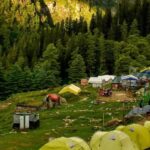
Nestled at an altitude of around 2,950 metres, Kheerganga sits at the end of a trail that winds through dense pine forests, gushing waterfalls, and rolling alpine meadows. The trek begins at Barshaini village, roughly 20 km from Kasol, and stretches approximately 12 km one way. Most trekkers take around 4 to 6 hours to complete it, depending on their fitness level and how many times they stop to stare at the view — which, trust us, will be often.
The big reward at the top? A natural hot water spring that reportedly carries medicinal properties. After a long day on the trail, soaking in that warm pool with snow-capped peaks in the background is nothing short of magical.
The best window to visit is between April and November, and summer — roughly May to July — is when the valley is at its lushest and most alive.
What’s the Kheerganga Trek Like in Summer?
Summer brings a very specific energy to this trail. The forests are intensely green, streams are full, and the wildflowers are out in force. However, the daytime temperatures can climb to around 25–30°C on the lower sections of the trail, which means the sun can wear you down faster than you’d expect at this altitude.
The trail also gets significantly more crowded during peak summer months. On one hand, having fellow trekkers around can be reassuring. On the other, it can make it harder to find a quiet resting spot or move at your own comfortable pace.
Overall, the trek is rated moderate in difficulty — manageable for beginners, but not something to take lightly, especially if you’re venturing out solo or without local support.
Going Without a Guide: The Honest Pros and Cons
Why Some Trekkers Choose to Go Solo
Freedom to move at your own pace is one of the most appealing things about going guide-free. You decide when to start, where to stop, and how long to spend at each viewpoint. There’s no pressure, no group schedule — just you and the mountains.
It’s also easier on the wallet. Hiring a professional guide adds to your overall trip budget. For budget travellers, skipping this cost can free up money for accommodation, food, and other experiences along the way.
During summer, the Kheerganga trail sees heavy footfall and the main route from Barshaini is walked by hundreds of people every week. For someone who’s done a few moderate treks before, it’s possible to navigate without professional assistance.
The Real Risks You Need to Know
Getting lost is more common than people think. The Parvati Valley trail system has multiple branching paths, and not all of them are clearly signed. First-time visitors have frequently wandered off the main trail, especially in forested stretches where visibility is limited. A wrong turn can cost you hours — or worse.
There’s also no professional support in emergencies. A twisted ankle, sudden altitude sickness, or a flash of bad weather can turn a fun day into a dangerous situation. Without a guide, there’s no trained person on hand to assess the situation, administer basic first aid, or lead you to safety through alternate routes.
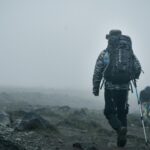
Summer weather in the Himalayas is deceptive. It can go from sunny and warm to cold, windy, and rainy within a couple of hours. If you’re not familiar with how quickly Himalayan weather shifts, you could be caught underprepared on an exposed section of the trail.
It’s also worth knowing that the Parvati Valley has a history of trekker mishaps over the years. Safety awareness here is absolutely non-negotiable.
Why Having a Guide Makes a Real Difference
At Wild Hike Adventures, we believe that a good guide doesn’t just walk in front of you — they elevate the entire experience. Here’s what you genuinely gain:
Safety on challenging terrain. The Kheerganga trail involves river crossings, steep rocky sections, and narrow ridgelines. A guide knows which spots demand extra caution and will make sure you don’t take unnecessary risks.
Confident navigation. A local guide knows every fork in the trail, every shortcut, and every area to avoid. You’ll never waste precious energy second-guessing the route.
Rich local knowledge. The Parvati Valley has a fascinating cultural and natural heritage. A good guide will share stories about the local communities, point out rare Himalayan flora, and give you insights that no travel blog can fully capture.
Logistical ease. From managing rest stops to coordinating meals and overnight stays, a guide takes the mental load off your shoulders — leaving you free to simply soak in the journey.
Emotional support when it gets tough. Trekking is as much a mental game as a physical one. Having someone experienced by your side when your legs are screaming and the summit feels far away makes a genuine difference.
Essential Safety Tips for the Kheerganga Trek
Whether you go with a guide or decide to trek independently, these tips are non-negotiable.
Study the route before you leave. Download an offline trail map and familiarise yourself with major landmarks — Nakthan village, the wooden bridge crossings, and the campsite areas. Knowledge of the route is your first layer of protection.
Carry more water than you think you need. Summer heat combined with altitude is a recipe for dehydration. Carry at least 2–3 litres and refill at clean mountain streams when possible.
Dress in layers. Start the morning in light, breathable clothing but always pack a warm fleece and a waterproof jacket. The temperature at the top is several degrees cooler than at the base.
Wear proper trekking shoes. Flip-flops and casual sneakers are a terrible idea on this trail. You’ll be crossing rocky terrain and streams — invest in a solid pair of ankle-support trekking shoes with good grip.
Carry a basic first-aid kit. Band-aids, antiseptic, a pain reliever, ORS sachets for rehydration, and any personal medication should always be in your daypack.
Be extra careful near water bodies. The trail crosses several streams and passes close to waterfalls. Always test your footing before crossing and avoid taking risks near fast-moving water, especially after rainfall.
Start early. Begin your trek by 7–8 AM. This gives you plenty of daylight, cooler temperatures in the morning, and buffer time in case you move slower than expected.
Inform someone of your plans. Always leave your trekking itinerary, expected return time, and emergency contact with someone back at base — whether that’s your hotel manager in Kasol or a family member.
Conclusion: Kheerganga Trek in Summer
If you’re an experienced trekker who has completed multiple moderate Himalayan treks before, knows how to read a trail, and is comfortable handling unexpected situations — the Kheerganga trek in summer is doable without a guide, provided you prepare thoroughly.
However, if this is your first time in the Parvati Valley, if you’re travelling alone, or if you’ve had limited trekking experience, we strongly recommend going with a professional guide or joining an organised group trek. The mountains are generous when you respect them and unforgiving when you don’t.
At Wild Hike Adventures, we’re passionate about helping people experience the Himalayas safely and meaningfully. Our experienced trek leaders know the Kheerganga trail inside out and are trained to handle everything from navigation to emergencies — so all you have to focus on is enjoying every single step of the journey.