Kedarkantha Trekking: Guide by Wild Hike Adventures
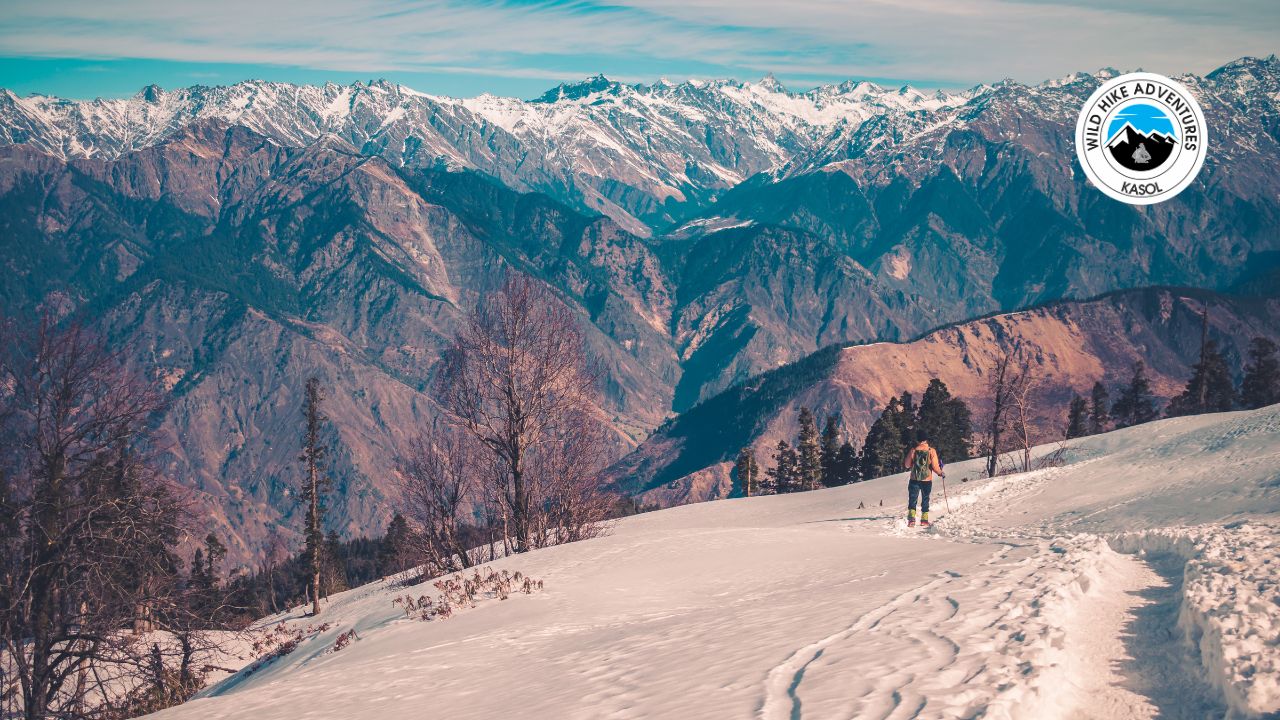
There is a distinct magic when fresh winter snow replaces the hum of everyday city life. If you’ve been dreaming of standing on a sweeping Himalayan summit surrounded by a 360-degree amphitheater of snow-capped peaks, Kedarkantha Trekking is your perfect gateway.
Widely crowned as the absolute best winter snow trek in India, Kedarkantha balances accessible trail gradients with jaw-dropping alpine rewards. Located inside the pristine Govind Wildlife Sanctuary in Uttarakhand, this trek rises to a soaring altitude of 12,500 feet.
Whether you are a first-time hiker testing your grit or an experienced trekker looking for that classic winter wonderland backdrop, Wild Hike Adventures has compiled the only comprehensive guide you will ever need to conquer this legendary peak safely.
Quick Trek Overview
Before breaking down the trail step-by-step, let’s look at the basic parameters of the journey:
| Parameter | Details |
| Maximum Altitude | 12,500 feet (3,810 meters) |
| Trek Distance | Approximately 20 km to 23 km (Round trip) |
| Duration | 5 Days / 4 Nights |
| Difficulty Level | Easy to Moderate (Beginner-friendly with basic fitness) |
| Base Camp Location | Sankri Village |
| Nearest Transit Hub | Dehradun (Rail/Air) |
Why Kedarkantha Trekking Rules the Indian Winter Circuit
While our neighbors across the border in Himachal Pradesh boast spectacular trails like Hampta Pass or Kheerganga, Kedarkantha remains the unchallenged king of winter for a few defining reasons:
- The Legendary Frozen Lake: Pitching a tent next to Juda Ka Talab—a high-altitude lake that completely freezes over into a glistening sheet of ice during peak winter—is a bucket-list camping experience.
- Achievable Summit for Beginners: Unlike highly technical climbs that require ice axes and advanced mountaineering skills, Kedarkantha offers a gradual incline. It is challenging enough to get your blood pumping but entirely manageable for anyone with decent stamina.
- 360-Degree Views: The summit isn’t just a high point; it’s an open-air viewing deck. Standing by the stone shrine at the top rewards you with clear views of the Swargarohini, Bandarpoonch, Black Peak, and Rupin mountain ranges.
What is the itinerary for the Kedarkantha Trek?
The standard safe route for Kedarkantha Trekking requires a 5-day short itinerary to allow proper high-altitude acclimatization. The trail starts with a scenic drive to Sankri, ascends through the snow-laden forests to Juda Ka Talab and Kedarkantha Base Camp, hits the 12,500-foot summit at dawn, and wraps up via Hargaon meadow back to Dehradun.
Day 01: Drive from Dehradun to Sankri: 6,400 feet
Drive from Dehradun or travel across the HP border through Rohru to Sankri village. Rest at a traditional local homestay managed by Wild Hike Adventures and complete a vital cold-weather safety briefing.
Day 02: Trek from Sankri to Juda Ka Talab: 9,100 feet
Ascend through dense forests of giant oak and pine. The trail opens up at the legendary Juda Ka Talab, a high-altitude wilderness lake that freezes completely solid into thick ice during mid-winter.
Day 03: Trek to Kedarkantha Base Camp: 11,250 feet
A short, steady uphill climb taking you above the tree line. Camp on a vast, snow-covered meadow directly beneath the snow-draped triangular peak of Kedarkantha.
Day 04: Early-morning climb to the summit, then descend to Hargaon: 12,500 feet
A thrilling 3:30 AM alpine start using microspikes and headlamps. Reach the stone shrine at the summit just as sunrise illuminates the Swargarohini, Bandarpoonch, and Black Peak ranges. Descend to the sheltered forest clearing of Hargaon camp.
Day 05: Trek to Sankri and drive back to Dehradun: 6,400 feet
A gentle downhill hike through apple orchards and mountain hamlets back to Sankri. Board transport for your return journey back to Dehradun or your respective locations in HP.
Deciding the Best Time to Visit Kedarkantha
Kedarkantha is accessible for nearly 10 months of the year, but the terrain transforms dramatically depending on the month you choose.
1. December to February
If you want to experience a true snow trek, this is your golden window. The entire trail is cloaked in deep winter snow, lakes freeze solid, and night temperatures regularly plunge to -5°C to -10°C. January and February offer the most stable snow cover and classic winter conditions.
2. March to April
As the heavy snow starts to melt at lower elevations, the forest floor bursts into vibrant hues of pink and red as the rhododendron flowers bloom. The weather is significantly milder, making it an excellent option for beginners who want to avoid extreme, sub-zero winter temperatures.
3. September to November
Post-monsoon, the air is crystal clear, offering the sharpest, most unobstructed views of distant ranges. The forest transforms into rich shades of gold and brown. There is no snow on the trails during this window, ensuring clear, predictable footing.
Note on Monsoon: We strictly avoid operating the trek during July and August due to heavy monsoon rains, slippery trail conditions, and regional landslide risks in the lower valleys.
Essential Packing List:
Proper gear is the difference between a magical trek and a miserable, shivering night. Because high-altitude conditions change in a flash, you need to pack strategically:
- The Layering System: Avoid heavy, bulky cotton jackets. Instead, pack a moisture-wicking dry-fit base layer, a warm fleece or woolen mid-layer, and a windproof, waterproof down outer jacket.
- Footwear: Sturdy, high-ankle trekking shoes with deep lug patterns for grip. Avoid flat-soled sports shoes.
- Headlamp/Torch: Crucial for the pre-dawn summit push on Day 4 when your hands need to stay free to hold trekking poles.
- Accessories: UV-protection sunglasses (to prevent snow blindness), waterproof gloves, heavy woolen socks, and a warm beanie that covers your ears.
- Hydration: A durable 1-liter thermos flask to keep your drinking water from freezing during cold nights.
Mountain Safety And Fitness: Respecting the Altitude
Even though Kedarkantha Trekking is highly accessible, 12,500 feet is serious elevation. Mountain safety should never be compromised for a quick photo.
Understanding AMS (Acute Mountain Sickness)
As you ascend past 9,000 feet, the air thins out and oxygen levels drop. To prevent AMS, follow these fundamental safety protocols:
- Hydrate Regularly: Drink 3 to 4 liters of water daily. Dehydration accelerates altitude symptoms.
- Pace Yourself: Walk at a slow, rhythm-driven pace. Never run, sprint, or push your body to exhaustion.
- Listen to the Team: Our Wild Hike Adventures trek leaders carry comprehensive first-aid kits, portable oxygen, and pulse oximeters to track your health daily. If you feel a persistent headache, dizziness, or nausea, inform your guide instantly.
FAQs
When does it snow on the Kedarkantha Trek?
Fresh winter snow begins to blanket the upper trails by mid-December. The heaviest snowfall occurs from late December through February, turning the entire route into a reliable winter wonderland with knee-deep snow tracks.
Is mobile network connectivity available on Kedarkantha trail?
BSNL and Jio networks offer basic, intermittent connectivity at the Sankri base camp. Once you step onto the trekking trail past Sankri, there is absolutely zero mobile network coverage or charging infrastructure.
Can a complete beginner complete the Kedarkantha Trek?
Yes, beginners with basic physical stamina can successfully complete this trek. The trail gradients are gradual and do not feature vertical technical rock faces, though preparing with moderate physical cardio 2 weeks prior is strongly recommended.
What is special about the Kedarkantha Trek?
The Kedarkantha Trek is famous for being India’s premier winter snow trek, combining accessible trail gradients with dramatic 360-degree summit views at 12,500 feet. It is highly celebrated for its spectacular winter camping sites, especially beside the completely frozen high-altitude lake of Juda Ka Talab, and its snow-covered pine forests that are rare on beginner-level Himalayan routes.
Can I do the Kedarkantha Trek solo or without a guide?
No, you cannot do the Kedarkantha trek completely solo or without a guide during peak winter or monsoon seasons. Because the trail passes through the Govind Wildlife Sanctuary, local forest department check-posts strictly require mandatory registration permits and the accompaniment of a certified local mountain guide to prevent navigation hazards in deep snow blizzards.
Conclusion: Kedarkantha Trekking
Kedarkantha Trekking is more than just a winter adventure—it’s a journey into a pristine Himalayan world where silence, snow, and serenity come together in perfect harmony. From the frozen wonder of Juda Ka Talab to the breathtaking 360-degree summit views, every step of the trail offers an unforgettable blend of challenge and beauty. With its beginner-friendly route, reliable weather windows, and high safety standards, it remains the ultimate winter trek for anyone looking to test their spirit in the mountains.
With Wild Hike Adventures by your side, you not only trek but truly experience the Himalayas—responsibly, safely, and with expert guidance at every stage. Lace up your boots, embrace the chill, and let Kedarkantha reward you with memories that last a lifetime.