Is Hampta Pass Trek Difficult? – Wild Hike Adventures
Is Hampta Pass Trek difficult? The Hampta Pass Trek is classified as moderately difficult. It is an ideal alpine trek for intermediate trekkers and beginners with a solid baseline of cardiovascular fitness.
- Maximum Altitude: 4,270 meters (14,009 feet), which requires proper acclimatization to prevent Acute Mountain Sickness (AMS).
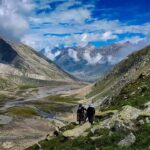
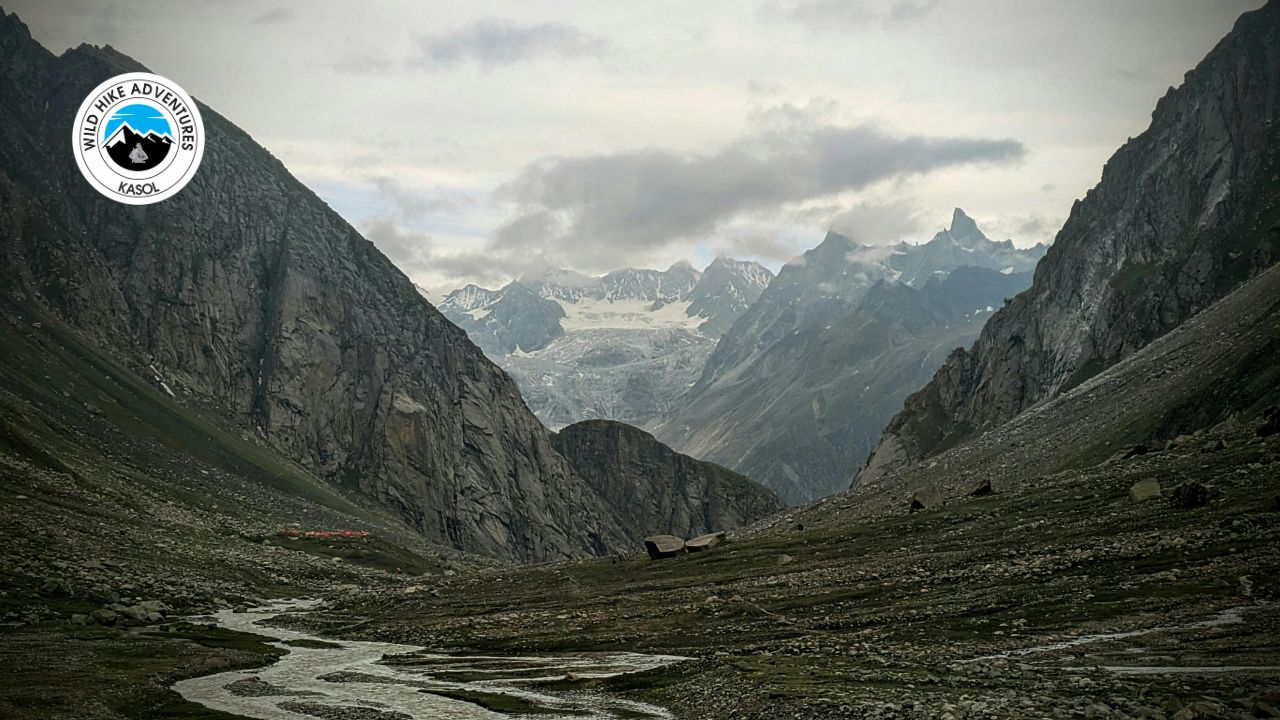
- Terrain: A dramatic mix of lush green forests in Kullu, river crossings, rocky scree, and seasonal snow patches, concluding in the desert landscape of Spiti.
- Key Challenge: Day 4 (the pass crossing) is the most difficult day, demanding 8 to 10 hours of rigorous trekking over steep, rocky terrain.
Hampta Pass Trek Overview And Key Statistics
For adventure seekers planning a trek in Himachal Pradesh, the Hampta Pass acts as a breathtaking bridge between the green Kullu Valley and the arid mountain desert of Spiti Valley.
| Aspect | Details |
| Total Distance | 30–35 km |
| Duration | 4–5 Days |
| Maximum Altitude | 4,270 m (14,009 ft) |
| Starting Point | Jobri Village via Manali/Kullu (2,050 m) |
| Ending Point | Chhatru Village, Spiti Valley (3,400 m) |
| Best Season | June to September |
| Difficulty Level | Moderate |
| Ideal For | Fit beginners, intermediate trekkers, and alpine enthusiasts |
Detailed Breakdown: What Makes Hampta Pass Trek Difficult?
1. The Altitude Challenge & AMS Risk
While Hampta Pass is lower than extreme treks like Everest Base Camp 5,364 m, crossing 4,000 m places trekkers at risk for Acute Mountain Sickness (AMS).
- The Risk Profile: Atmospheric oxygen drops to roughly 60% of sea-level capacity at the summit.
- Symptoms to Watch For: Persistent headaches, dizziness, nausea, and sudden fatigue.
- Wild Hike Adventures Protocol: We mandate a gradual ascent and highly recommend a dedicated acclimatization pace on Day 3 at Chota Danda 3,900 m before pushing for the pass.
2. Physical & Technical Demands
- Steep Inclines: The final ascent to the pass features gradients ranging from 35° to 45° over loose rocks and scree.
- Endurance Testing: You will be trekking for 5 to 6 hours daily, which spikes to 8–10 hours on pass day.
- Descent Knee Strain: The descent toward Chhatru is steep and rocky, demanding excellent knee stability and core balance.
3. Weather Volatility
The weather in Himachal’s high passes can change within minutes. A clear morning can rapidly shift into an afternoon storm with high-velocity winds (30-40 km/h) and sudden temperature drops from 15°C down to -5°C.
Best Time to Trek Hampta Pass
Selecting the right month is crucial for safety and navigating trail difficulty.
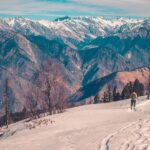
- June (Early Season): High snow patches above 3,500 m. Ideal for those who want to experience snow trekking, but trails can be slippery and require microspikes.
- July to August (Peak Season): The snow melts to reveal lush green meadows carpets of wildflowers. This is the best and safest time for beginners.
- September (Autumn Transition): Crisp, clear skies offer the sharpest views of the Pir Panjal range. Temperatures drop significantly, especially at night (dipping below freezing).
5-Day Itinerary of Hampta Pass Trek
Day 1: Manali to Jobra (Drive) | Trek to Chika Camp
- Distance/Time: 2 hours drive | 3–4 km trek (2–3 hours)
- Altitude Gain: Manali (2,050 m) ➔ Jobra (2,900 m) ➔ Chika (3,100 m)
- Terrain: A scenic drive with 42 hairpin turns, followed by an easy walk through dense forests of oak, pine, and maple alongside the Rani Nallah river.
Day 2: Chika to Balu Ka Ghera
- Distance/Time: 8 km | 5–6 hours
- Altitude Gain: 3,100 m to 3,600 m
- Terrain: Gradual but steady incline. You will traverse alpine meadows, navigate a cold boulder-strewn river crossing, and camp on a flat, sandy bed surrounded by snow-capped peaks.
Day 3: Balu Ka Ghera to Shea Goru via Hampta Pass (The Summit Day)
- Distance/Time: 11 km | 8–9 hours
- Altitude Shift: 3,600 m ➔ Hampta Pass Summit (4,270 m) ➔ Shea Goru 3,900 m
- Terrain: Most Difficult Day. A demanding, steep ascent over snow fields or loose moraine rocks to the pass. Once at the top, you will witness the stunning contrast between green Kullu and barren Spiti, followed by a sharp, vertical descent to the cold oasis of Shea Goru.
Day 4: Shea Goru to Chhatru (Trek) | Drive to Chandratal Lake
- Distance/Time: 5 km trek (4 hours) | 2–3 hours drive to Chandratal (subject to road conditions)
- Altitude Shift: Shea Goru 3,900 m ➔ Chhatru 3,400 m ➔ Chandratal 4,250 m
- Terrain: A gentle downhill trek through rocky terrain and river deltas to Chhatru. From Chhatru, we hop into private vehicles to drive to the mesmerizing, crescent-shaped Chandratal Lake (The Moon Lake), before returning to camp at Chhatru.
Day 5: Chhatru to Manali (via Atal Tunnel or Rohtang Pass)
- Distance/Time: 3–4 hours drive
- Activity: Conclude your adventure. We drive back to Manali via the iconic Atal Tunnel or the classic Rohtang Pass route, offering a perfect end to an unforgettable trans-Himalayan journey.
Ultimate Packing Checklist for Hampta Pass Trek
1. Apparel And Layering System
- Base Layer: 2 pairs of moisture-wicking thermals (Merino wool preferred).
- Mid Layer: 2 fleece jackets or insulated down sweaters.
- Outer Layer: 1 premium waterproof, windproof jacket and rain pants (essential for monsoon showers in July/August).
- Footwear: High-ankle trekking boots (fully broken-in) + 4 pairs of woolen socks.
2. Gear & Electronics
- Backpack: 50–60 Liter main pack with a waterproof rain cover + a 20L daypack.
- Sleeping Gear: A down sleeping bag rated for -10C.
- Power Bank: Minimum 20,000 mAh (battery life drains rapidly in sub-zero alpine temperatures).
- Safety: Two trekking poles (non-negotiable for knee support during descent) and a high-lumens headlamp.
Pre-Trek Fitness Plan: How to Prepare
To comfortably handle the moderate difficulty of Hampta Pass, local and visiting trekkers should follow this 8-week training template:
- Cardiovascular Endurance: 4 days a week, practice running or cycling. You should be able to run 5 km in under 30 minutes comfortably.
- Stair Climbs: Climb 20–30 flights of stairs daily to condition your calves, quadriceps, and hamstrings for the steep pass ascent.
- Weighted Backpack Simulation: In the final 3 weeks before the trek, go on long weekend walks (8 – 10 km) carrying a 10kg loaded backpack to condition your shoulders and core.
FAQs
Can beginners do the Hampta Pass Trek?
Yes, beginners can do the Hampta Pass trek provided they have a good baseline of fitness. While it is an alpine cross-over trek reaching 14,009 feet, it does not require technical mountaineering skills or previous climbing experience.
Is Chandratal Lake always guaranteed on this trek?
Visiting Chandratal Lake on Day 4 is subject to weather, road conditions, and local permissions. If the road from Chhatru via Kunzum Pass is blocked by early snow or landslides, teams camp safely at Chhatru for security reasons.
Is there mobile network connectivity on the Hampta Pass route?
No. Network signals (Jio, Airtel, BSNL) disappear entirely once you drive past Jobra. You will remain completely off-grid until you complete the loop and cross back through the Atal Tunnel near Manali on Day 5.
Can I do the Hampta Pass Trek solo without a guide?
No, trekking Hampta Pass solo is highly discouraged and illegal without required forest department permits from Manali. The trail involves navigating tricky glacial river crossings, unpredictable weather shifts, and deep snow or loose scree zones on Day 3. For your safety, the Himachal Pradesh government requires registry and strongly advises partnering with a certified local operator like Wild Hike Adventures who provides trained local guides, emergency oxygen, and proper navigation equipment.
What kind of shoes are best for the Hampta Pass trail?
You must wear waterproof, high-ankle trekking shoes with a deep lug professional rubber sole (such as Vibram or Decathlon’s high-grade hiking series). Regular sports shoes or running sneakers fail completely on this trail because they lack the ankle support needed for the Day 3 steep descent and will soak through immediately when crossing snow fields or streams near Chika.
Conclusion: Is Hampta Pass Trek Difficult
The Hampta Pass Trek strikes the perfect balance between challenge and accessibility. While it demands solid fitness, acclimatization awareness, and readiness for steep climbs and unpredictable weather, it remains one of Himachal Pradesh’s most beginner-friendly high-altitude treks. Its diverse landscapes—from the lush Kullu Valley to the stark beauty of Spiti—make the effort deeply rewarding. With proper preparation and guidance from a reliable team like Wild Hike Adventures, trekkers can safely enjoy this unforgettable Himalayan crossover.