Edible Plants of Himalayas: Wild Hike Advdentures
The majestic Himalayan range — with its snow-capped peaks, alpine meadows, deep forests, and rushing rivers — is not just a paradise for trekkers and adventurers. Hidden within its vast landscapes is a rich treasure of botanical diversity. Among the thousands of plant species found here are numerous edible plants of Himalayas — ancient food sources that have sustained local communities and nomadic tribes for centuries.
Thank you for reading this post, don't forget to subscribe!From flavorful berries to nutrient-dense roots and leafy greens, these plants have cultural, medicinal, and ecological significance. Whether you’re planning a multi-day trek, a nature expedition, or simply curious about Himalayan flora, understanding edible plants can deepen your connection with the wilderness — and even add a taste of adventure to your journey.
This guide by Wild Hike Adventures walks you through the most notable edible plants of Himalayas — their identification, benefits, culinary uses, and safety tips for foraging responsibly.
What Are Edible Plants?
Edible plants are species which are safe and nutritious for humans to consume. Unlike ornamental or medicinal herbs that may be consumed only in small quantities, edible plants provide real food value — from carbohydrates and proteins to vitamins and minerals. In the Himalayas, many edible plants grow naturally and have been foraged by indigenous communities long before packaged food existed.
But a word of caution:
👉 Not all wild plants are safe to eat.
Many look similar to edible species but can be toxic or harmful. Always learn from experts and confirm identification before consumption.
Importance of Edible Plants in the Himalayas
Traditional Diets of Mountain Communities
For centuries, Himalayan villages have relied on wild plants for survival — especially during harsh winters when crops fail. These plants are woven into local cuisines, teas, and preserved foods.
Nutritional Value
Many Himalayan edible plants are rich in antioxidants, fibers, vitamins, and minerals. In remote regions without easy access to modern food markets, these plants provide vital nutrients.
Cultural and Medicinal Uses
Several edible plants double as natural remedies in traditional Ayurvedic and folk medicine. They’re used to soothe colds, boost immunity, improve digestion, and relieve inflammation.
Ecological Balance
Wild edible plants are part of fragile Himalayan ecosystems. Learning to identify and protect them promotes sustainable trekking and environmental awareness.
Major Edible Plants of Himalayas
Below are some of the most common and fascinating edible species you may encounter on Himalayan trails:
1. Himalayan Nettle (Girardinia diversifolia)
A wild green that grows in moist forest regions. Although it may sting like nettles elsewhere, locals expertly prepare it to remove bitterness and make it edible.
Uses:
- Cooked like spinach
- Added to soups and stews
Benefits: High in iron, vitamins A & C
2. Fiddlehead Ferns (Various Pteridium and Matteuccia species)
These young coiled fern shoots appear in early spring and are a delicacy in mountainous areas.
Uses:
- Lightly boiled or sautéed
- Flavored with herbs
Benefits: Rich in antioxidants and fiber
Safety Tip: Always cook fiddleheads fully before eating — raw ones can be mildly toxic.
3. Ulluco (Oxalis tuberosa)
A root vegetable that thrives in higher altitudes. With vibrant colors (yellow, orange, pink), it resembles potatoes but has a tangy flavor.
Uses:
- Boiled
- Roasted
- Added to curries
Benefits: Good source of carbohydrates and minerals
4. Wild Berries (Various species)
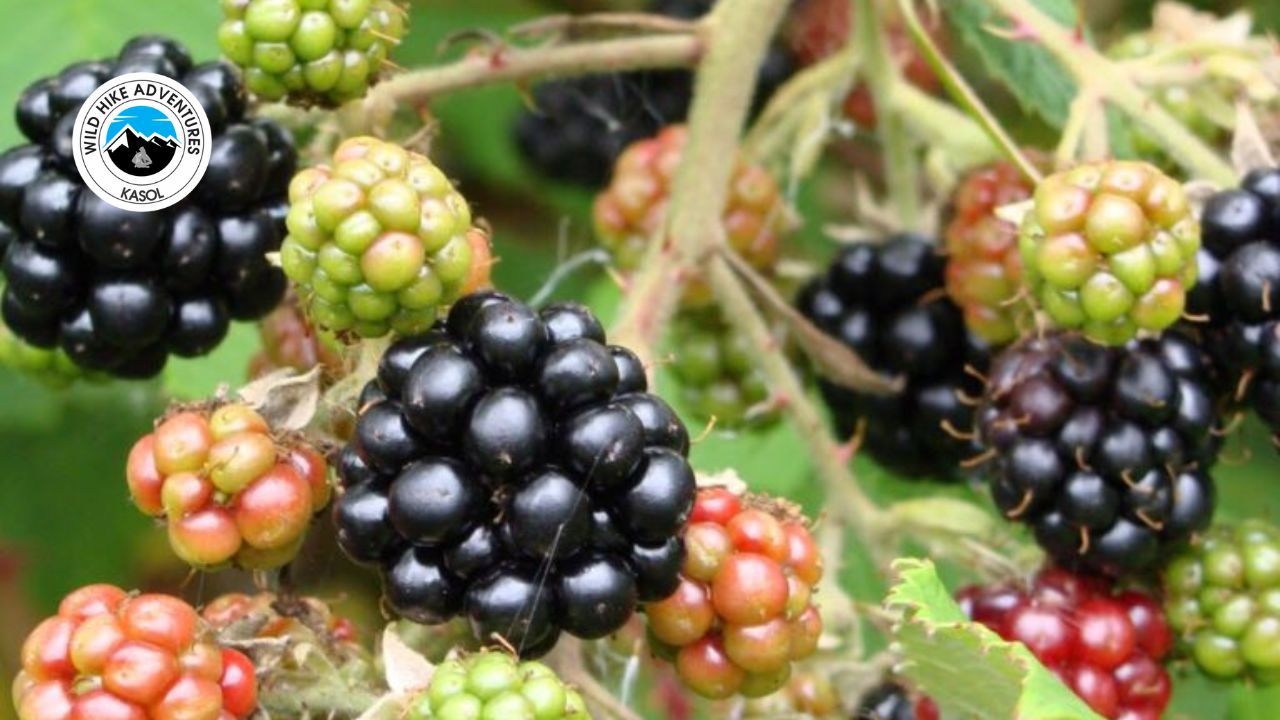
The Himalayan slopes burst into color with wild berries during the warmer months — from red raspberries to black currants and Himalayan blueberries.
Uses:
- Eaten fresh
- Used in jams and preserves
- Mixed with yogurt or porridge
Benefits: High in vitamin C and antioxidants
5. Rheum (Himalayan Rhubarb)
Not the same as garden rhubarb, Himalayan species grow wild and have edible stalks with a sour tang.
Uses:
- Cooked with sweeteners
- As a tangy addition to sauces
Benefits: Dietary fiber and vitamins
6. Morel Mushrooms (Morchella spp.)
Rich, earthy, and seasonal — morels are among the most prized wild mushrooms in the Himalayas.
Uses:
- Lightly sautéed
- Added to risottos and soups
Benefits: Protein, minerals, distinct flavor
Caution: Only consume mushrooms if you are 100% sure of identification. Many look-alikes can be poisonous.
7. Bhringraj (Eclipta prostrata)
Also known as false daisy, this herb grows in moist Himalayan valleys and plains.
Uses:
- Steeped in teas
- Added to salads when young
Benefits: Traditionally used for liver support and hair health
8. Himalayan Mustard Greens (Brassica juncea)
Peppery and pungent, these leafy greens grow in open fields and forest clearings.
Uses:
- Cooked like spinach
- Pickled
- Mixed with local spices
Benefits: Vitamin K, antioxidants, digestive support
8. Himalayan Mustard Greens (Brassica juncea)
Peppery and pungent, these leafy greens grow in open fields and forest clearings.
Uses:
- Cooked like spinach
- Pickled
- Mixed with local spices
Benefits: Vitamin K, antioxidants, digestive support
How Local Communities Use These Edible Plants
Across Himachal Pradesh, Uttarakhand, Sikkim, and Nepal, edible Himalayan plants are woven into daily food traditions:
- Soups & Stews: Greens like nettles and mustard add earthy flavors and nutrients.
- Curries: Roots like ulluco and wild spinach are slow-cooked with spices.
- Preserves: Wild berries are turned into jams, syrups, and fruit preserves.
- Herbal Teas: Leaves of certain herbs are brewed for calming or restorative teas.
How to Identify Edible Plants Safely
Foraging in the wild is rewarding — but requires discipline:
- Learn Before You Go: Use field guides, local experts, and community knowledge.
- Look-alikes Can Be Dangerous: Some toxic plants closely resemble edible ones. Never guess — always confirm.
- Avoid Polluted Areas: Plants near roads, grazing lands, or industrial zones can absorb toxins.
- Harvest Responsibly: Don’t strip an area bare — take only what you need and leave plenty to sustain nature.
Foraging Tips for Himalayan Trekkers
- Start your trek in spring or early summer when edible plants flourish
- Travel with guides who know Himalayan flora
- Carry a field identification book or plant app
- Always cook wild greens before eating
- Respect local customs and land rights
Conservation and Respect for Nature
Edible plants of Himalayas don’t just nourish humans — they feed entire ecosystems. Grazing animals, insects, birds, and soil microbes depend on these species. Over-foraging can harm fragile environments, so:
- Always leave the environment healthier than you found it.
- Practice “Leave No Trace” principles.
- Support local conservation groups.
Conclusion
The edible plants of Himalayas tell a story — of survival, culture, nutrition, and adventure. Whether you’re savoring wild berries by a mountain stream or learning to identify greens during a trek, these plants deepen your experience of the wild.
At Wild Hike Adventures, we believe that nature isn’t just scenery — it’s a classroom, a pantry, and a sanctuary. When explored with respect and knowledge, it enriches both body and spirit.